Oral Health • 5 min read
How Often Should You Visit the Dentist?
Published: [Date] · By [Dentist Name]
Understand how regular dental examinations can help monitor your oral health and identify concerns.
How Often Should You Visit the Dentist?
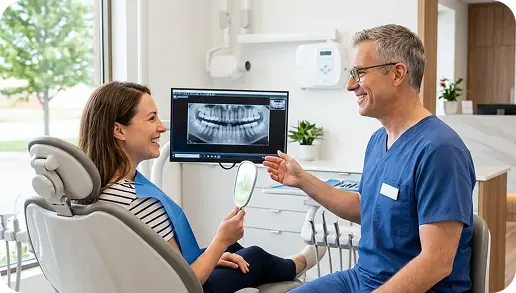
Regular dental visits are an important part of maintaining healthy teeth and gums. But how often should you book a check-up? The answer depends on your individual oral health, dental history and risk of developing dental problems.
Understanding your recommended visit schedule can help you take a proactive approach to your smile and address concerns before they become more complicated.
Is a Dental Check-up Needed Every Six Months?
Many people are familiar with the recommendation to visit the dentist every six months. However, this interval is not necessarily right for everyone.
Some people may benefit from more frequent examinations because of gum disease, a higher risk of tooth decay or other oral health concerns. Others with stable oral health may be advised to attend at longer intervals.
Your dentist can recommend a schedule based on your circumstances rather than relying on a fixed timetable for every patient.
What Determines How Often You Should Visit?
Several factors can influence how frequently you need a dental examination.
1. Your Current Oral Health
If your teeth and gums are healthy and your oral health remains stable, your dentist may recommend routine visits at an appropriate interval. If concerns are identified, closer monitoring may be needed.
2. Your Risk of Tooth Decay
Frequent consumption of sugary foods and drinks, dry mouth and previous tooth decay can affect your risk of developing cavities. Your dentist can assess these factors and recommend suitable preventive care.
3. Your Gum Health
Red, swollen or bleeding gums can be signs of gum inflammation. If you have gum disease or a history of periodontal problems, you may need more regular assessments or professional maintenance.
4. Previous Dental Treatment
Fillings, crowns and other restorations may need monitoring over time. Your dentist can determine whether your dental history means you would benefit from more frequent visits.
5. Changes in Your Health or Daily Routine
Changes in medication, health conditions or oral hygiene habits can affect your mouth. Tell your dentist about relevant changes so your preventive care can be reviewed when necessary.
What Happens If You Skip Dental Visits?
Missing routine appointments may mean that certain dental concerns go unnoticed for longer. Tooth decay and some gum conditions can develop without obvious symptoms in their early stages.
Regular examinations provide an opportunity to assess your teeth and gums, discuss changes and consider whether further investigation is needed.
However, a dental visit cannot prevent every problem. Good daily oral hygiene remains essential between appointments.
How Can You Maintain Oral Health Between Visits?
Your everyday habits play a major role in caring for your teeth and gums.
- Brush twice daily: Use fluoride toothpaste and a suitable brushing technique.
- Clean between your teeth: Use dental floss or interdental brushes daily.
- Limit frequent sugar intake: Reduce how often you consume sugary foods and drinks.
- Drink water regularly: Water can help keep your mouth comfortable and supports general oral health.
- Follow personalised advice: Use the preventive care recommendations provided by your dentist.
- Act on new symptoms: Contact a dental professional if you develop pain, swelling, persistent bleeding or another concerning change.
These habits support oral health but do not replace professional assessment.
When Should You Book an Appointment Sooner?
Do not wait for your next routine check-up if you develop a new dental concern.
Contact a dental professional if you experience persistent toothache, sensitivity that does not settle, bleeding or swollen gums, a damaged tooth or a loose restoration.
Facial or neck swelling accompanied by difficulty breathing or swallowing requires immediate emergency medical care. In New Zealand, call 111 for an immediate medical emergency.
What Should You Ask Your Dentist?
Your appointment is an opportunity to understand your oral health and make informed decisions. Consider asking:
- How often should I have a dental examination?
- Am I at increased risk of tooth decay or gum disease?
- Do I need professional cleaning, and how frequently?
- Are any areas of my mouth worth monitoring?
- What can I improve in my daily oral hygiene routine?
These questions can help you understand your needs and follow a practical care plan.
Make Regular Dental Care Part of Your Routine
There is no single dental visit schedule that suits everyone. The right interval depends on your oral health, history and individual risk factors. Regular assessments, good daily hygiene and timely attention to new symptoms can work together to support a healthier smile.
Ready to plan your next visit? Contact [Practice Name] to enquire about a dental check-up and discuss an appointment schedule suited to your needs.