
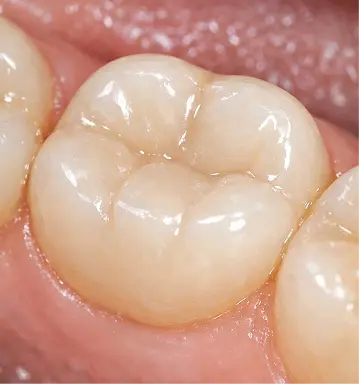
Tooth-Coloured Composite Fillings
Composite resin is matched to the natural colour of your teeth. It can be suitable for many small to moderate areas of decay or damage, depending on the tooth and clinical assessment.
Restore teeth affected by tooth decay or minor damage with suitable dental fillings. Tooth-coloured composite fillings may be an option depending on your dental needs and clinical assessment. Our aim is to help protect your natural teeth, restore their function and support your ongoing oral health.

Composite resin is matched to the natural colour of your teeth. It can be suitable for many small to moderate areas of decay or damage, depending on the tooth and clinical assessment.
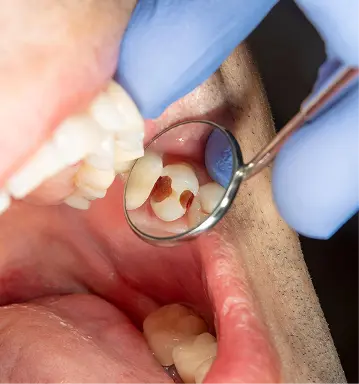
Depending on the tooth's location, the extent of damage and your individual needs, your dentist may discuss other suitable restorative materials or treatment options.
Your dentist examines the affected tooth and may recommend X-rays if clinically necessary.
Your dentist explains the recommended treatment, suitable filling materials and any relevant costs before proceeding.
If treatment is appropriate, the affected area is prepared and the chosen filling material is placed to restore the tooth.
Your dentist checks the filling and bite, then provides guidance on caring for your restored tooth.


Caring for Your Restored Tooth
After your filling, your dentist may recommend the following:
Some sensitivity may occur after a filling, but severe or worsening pain should be assessed by a dental professional.
Whether you're due for a routine appointment or would like to discuss a dental concern, our team is here to help.