Tooth Decay
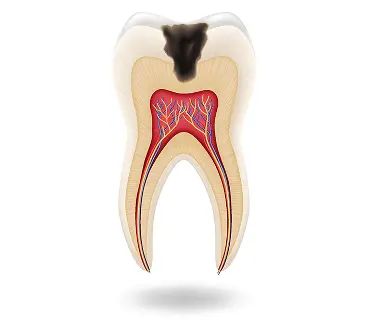
Cavities can cause sensitivity or toothache, particularly when decay reaches deeper layers of the tooth. A dentist can assess the affected area and recommend appropriate treatment.
If you are experiencing toothache or sudden dental discomfort, contact the practice for advice and an assessment. Our team can help you understand the possible causes of your symptoms and discuss suitable treatment options. Urgent appointment availability depends on the clinic's schedule.

Cavities can cause sensitivity or toothache, particularly when decay reaches deeper layers of the tooth. A dentist can assess the affected area and recommend appropriate treatment.
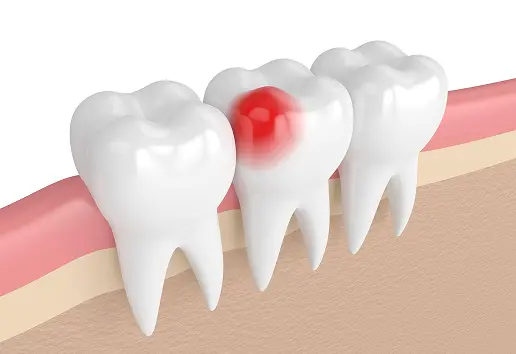
Sore, swollen or bleeding gums may indicate a gum problem. Swelling around a tooth may also require prompt assessment.
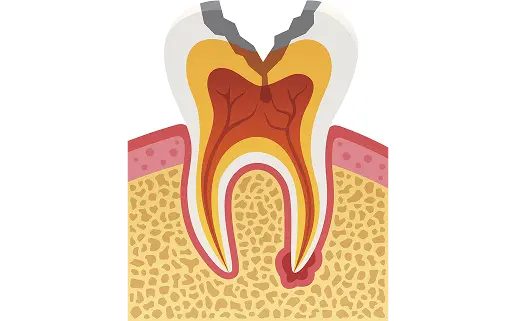
A damaged tooth may cause discomfort when biting or chewing and may be sensitive to temperature changes. The appropriate treatment depends on the extent of the damage.

Do Not Ignore Persistent Tooth Pain
Contact your dental practice if you experience:
Symptoms alone cannot reliably identify the cause. A dental examination is important to determine the appropriate care.
Tell the dental team when the pain started, where you feel it and whether anything makes it better or worse.
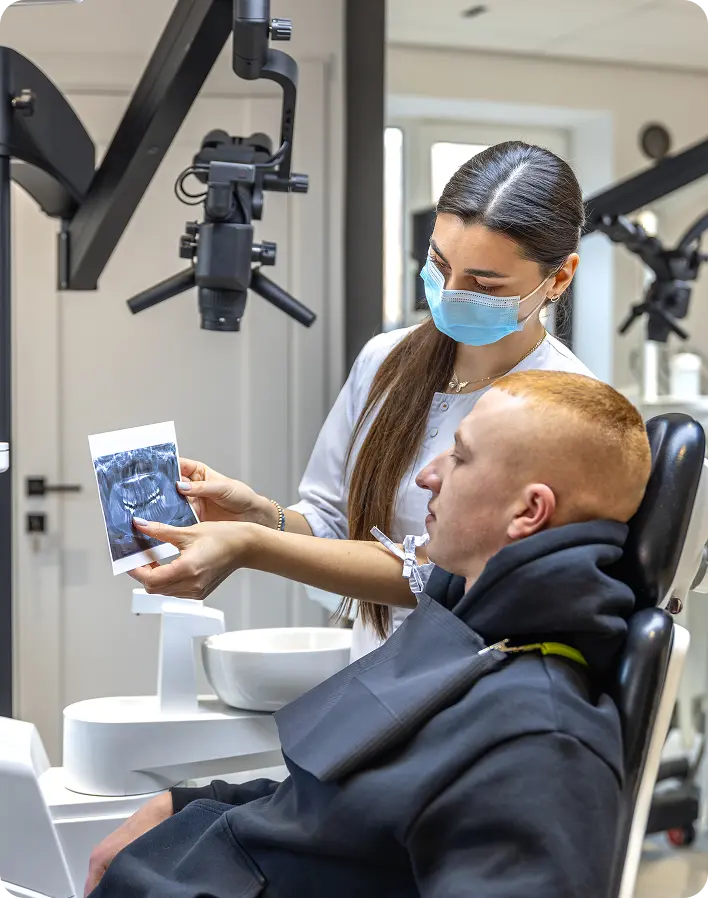
Your dentist examines your teeth and gums and may recommend X-rays when clinically necessary.
Depending on the cause, options may include a filling, root canal therapy, gum treatment or extraction. Your dentist will explain the relevant options.
You will receive guidance on caring for the affected area and whether further treatment or a follow-up visit is needed.

Temporary Measures for Dental Discomfort
While arranging dental care, you may find these general measures helpful:
These measures may offer temporary relief but do not treat the underlying cause. Do not place aspirin directly on a tooth or gum, as it may damage the tissue.
Whether you're due for a routine appointment or would like to discuss a dental concern, our team is here to help.