
Examination and Assessment
Your dentist examines the affected tooth and may take dental X-rays to assess the roots and surrounding structures.
Treatment to address infection or damage within a tooth's pulp, with the aim of relieving symptoms and preserving the natural tooth where possible. Our team can assess your dental concerns, explain suitable treatment options and help you understand the next steps for your oral health.
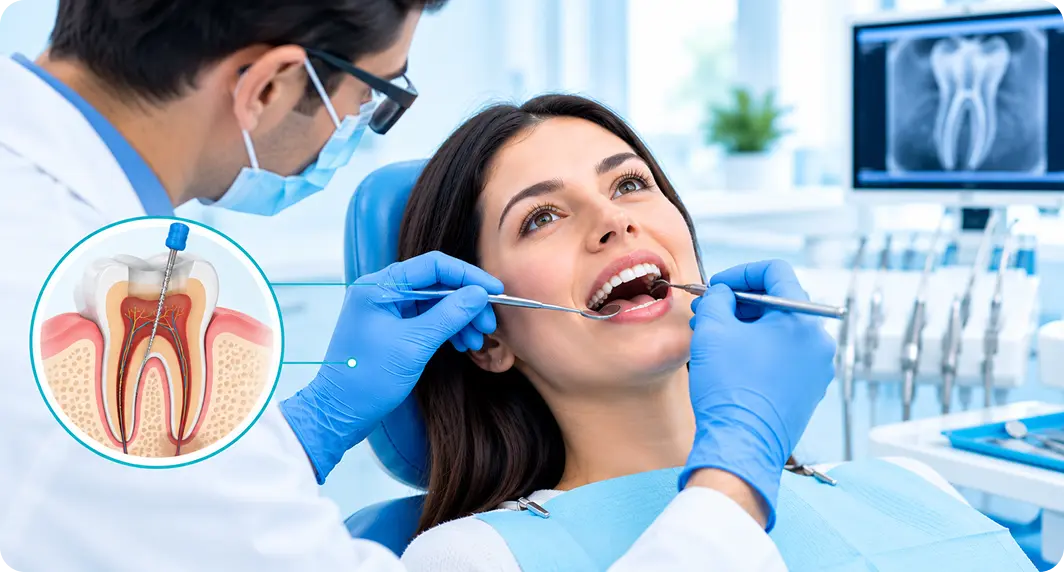
Root canal therapy may be recommended in situations such as:
Symptoms can have different causes, so a dental examination is needed to determine the appropriate treatment.
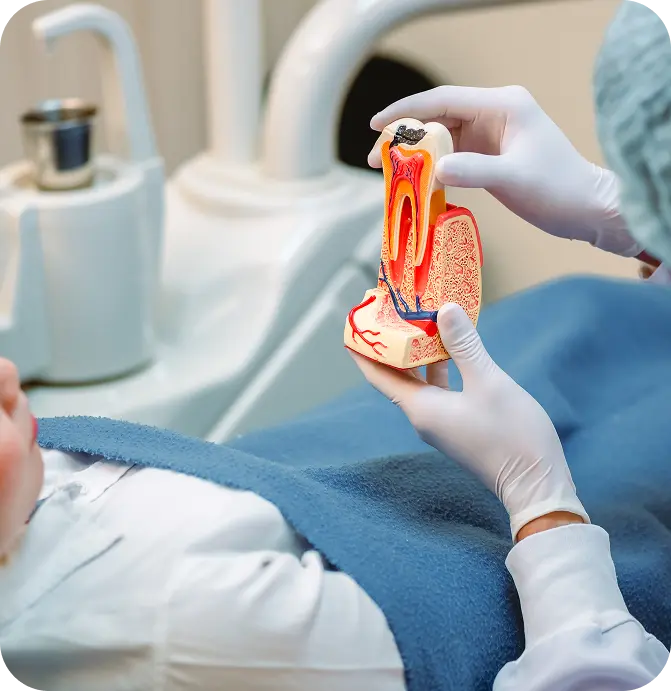
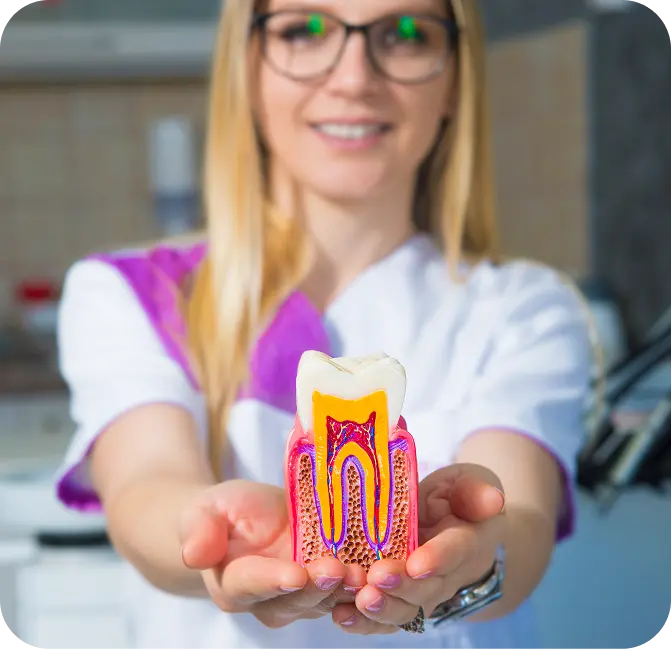
Treatment outcomes depend on the tooth's condition, the extent of infection or damage and the restoration provided.
Your dentist examines the affected tooth and may take dental X-rays to assess the roots and surrounding structures.
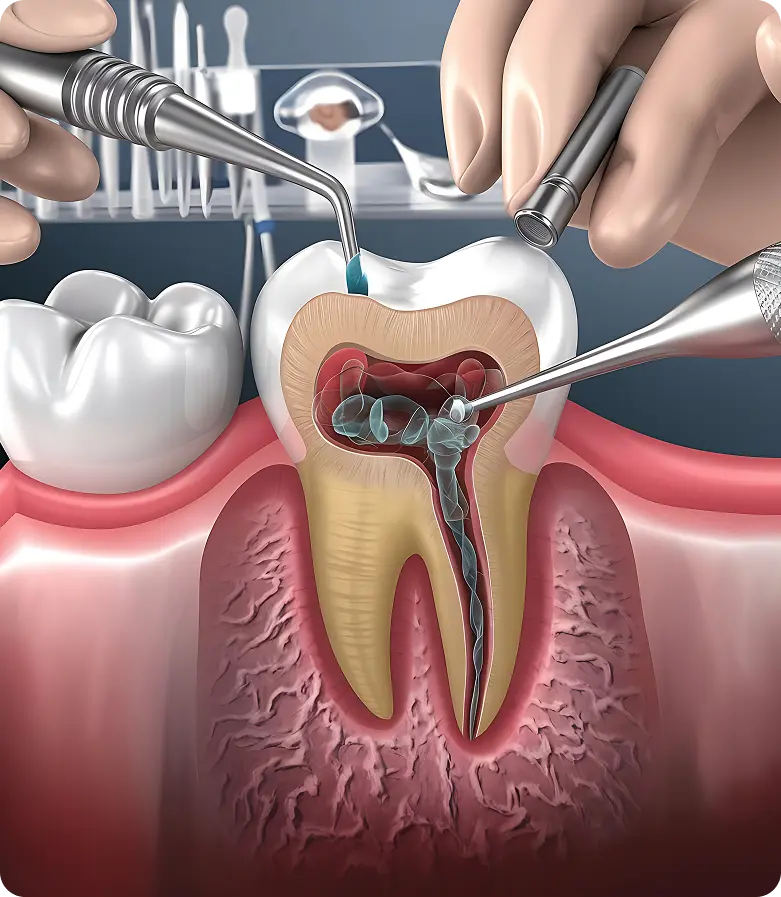
With appropriate local anaesthesia, the affected pulp is removed and the inside of the tooth is carefully cleaned and shaped.
The cleaned space is filled and sealed with suitable dental materials to help prevent bacteria from re-entering.
A filling or crown may be recommended to restore the tooth's strength, shape and function, depending on how much tooth structure remains.

Caring for Your Tooth After Treatment
Some tenderness around the treated tooth may occur for a short time after root canal therapy. Your dentist will provide aftercare advice based on your treatment.
Seek urgent medical help if you develop difficulty breathing or swallowing, or significant swelling of the face or neck.
Whether you're due for a routine appointment or would like to discuss a dental concern, our team is here to help.