Relaxation and Reassurance
Clear explanations, a calm environment and agreed pauses during treatment may help some patients feel more at ease. These approaches do not involve medication.
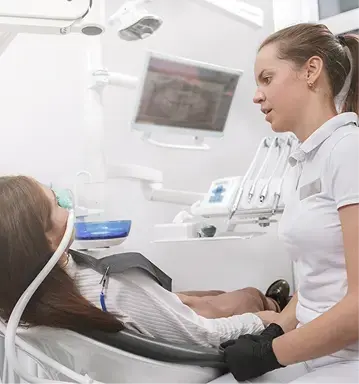
Where available and clinically appropriate, sedation options may help eligible patients feel more comfortable during selected dental procedures. Our team can discuss your concerns, explain available options and help you understand what to expect before, during and after treatment.

Sedation may be considered for eligible patients who:
Your dentist will assess your circumstances to determine whether sedation is appropriate or whether another approach may better meet your needs.

The options available depend on the dental provider, the procedure and your individual health needs.
Clear explanations, a calm environment and agreed pauses during treatment may help some patients feel more at ease. These approaches do not involve medication.
Depending on the provider and clinical assessment, medication-based sedation may be considered. Your dental professional will explain the specific method, expected effects, risks and preparation requirements.
Tell your dental team about your anxiety, previous dental experiences and any concerns about the proposed procedure.
Your clinician reviews your medical history, current medicines and treatment needs to determine whether sedation may be suitable.
If sedation is offered and appropriate, you will receive instructions about preparation, eating and drinking, medicines, transport and any required support person.
Your dental team follows the appropriate monitoring and recovery procedures and explains when it is safe to leave and resume normal activities.


Before and After Your Appointment
If sedation is planned, follow the specific instructions provided by your treating clinician.
Preparation and recovery requirements differ depending on the sedation method. Do not rely on general online guidance in place of your clinician's instructions.
Whether you're due for a routine appointment or would like to discuss a dental concern, our team is here to help.