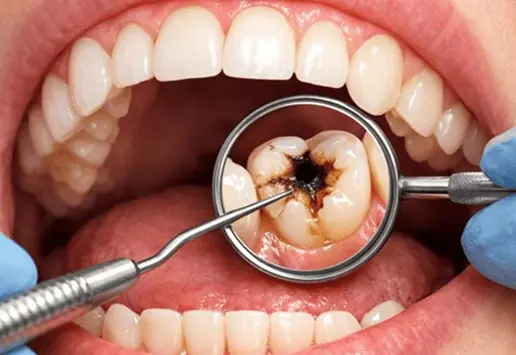
Severely Damaged Teeth
Teeth with extensive damage that cannot be predictably restored may require removal.
Assessment and removal of teeth when necessary, including wisdom teeth where appropriate. We focus on understanding your dental needs, explaining suitable treatment options and guiding you through the process with clear, personalised care.
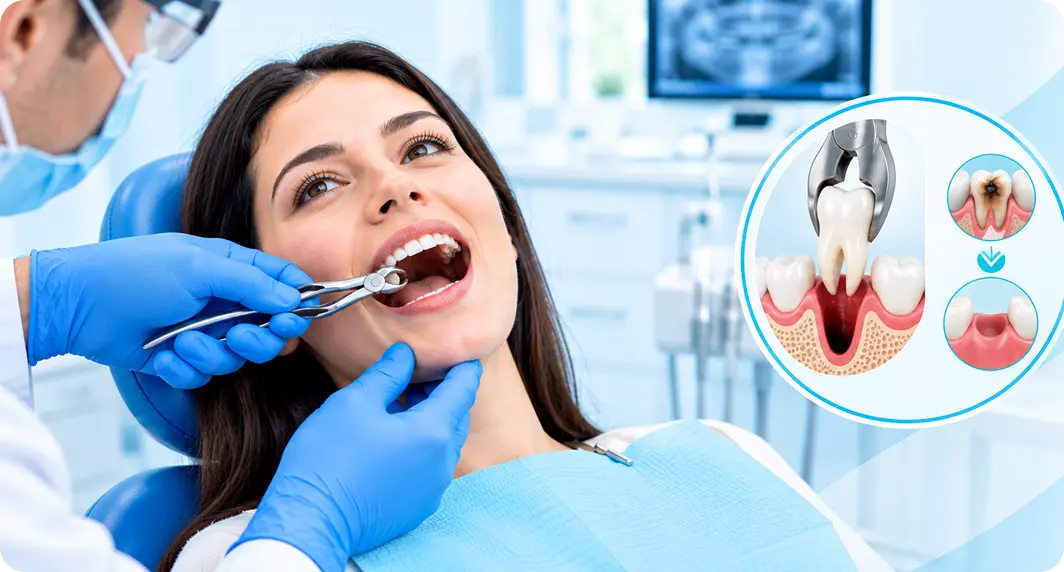
Teeth with extensive damage that cannot be predictably restored may require removal.
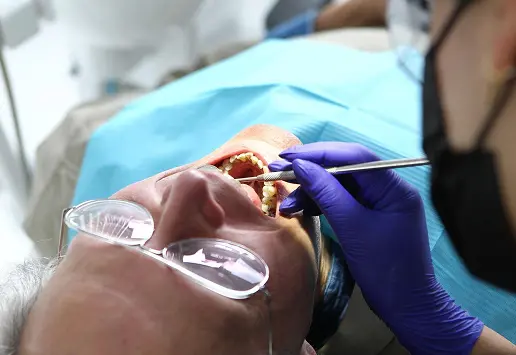
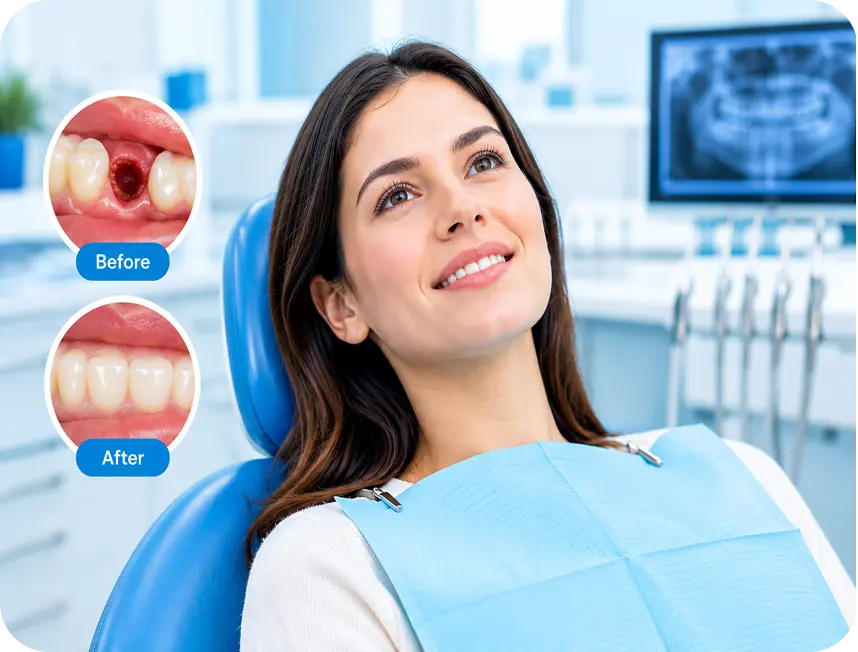
When decay has significantly affected a tooth, your dentist can assess whether restoration or extraction is the more suitable option.
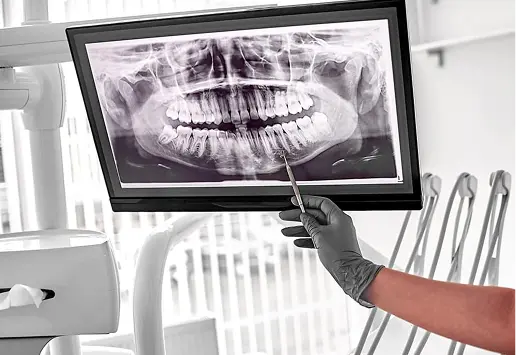
Wisdom teeth may need assessment if they become impacted, cause repeated problems or affect nearby teeth.
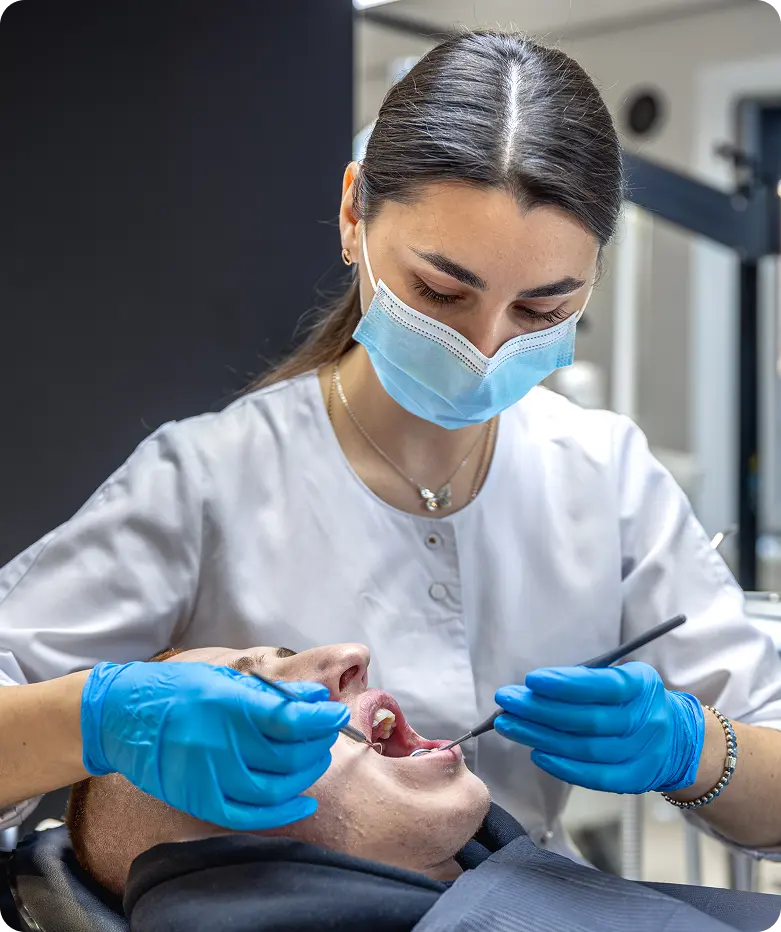
Your dentist examines the tooth, reviews your dental history and may recommend X-rays when clinically appropriate.
We explain why extraction may be recommended, discuss alternatives where suitable and answer your questions about the procedure.
If extraction is appropriate, the procedure is performed using a suitable clinical approach and anaesthesia based on your needs.
You receive instructions for caring for the extraction site, supporting healing and understanding when to contact the practice if concerns arise.
Supporting Your Healing After Extraction
Following an extraction, some bleeding, tenderness and swelling may occur. Your dentist will provide aftercare instructions tailored to your procedure.
Seek urgent medical assistance if you develop difficulty breathing or swallowing, or significant facial or neck swelling. In New Zealand, call 111 for a medical emergency.
Whether you're due for a routine appointment or would like to discuss a dental concern, our team is here to help.